







Bruce Almighty
HeartGuard score
How suitable a title is for Christian viewers, from 0 to 100. It weighs the content meters and the worldview.
- 80–100Recommended
- 60–79Watch with careThis film
- 35–59Think it through
- 15–34Strong caution
- 0–14Not recommended
HeartGuard score
How suitable a title is for Christian viewers, from 0 to 100. It weighs the content meters and the worldview.
- 80–100Recommended
- 60–79Watch with careThis film
- 35–59Think it through
- 15–34Strong caution
- 0–14Not recommended
Worldview score
What the story celebrates or condemns.
Why +1 for this film
The story moves from blaming God to humility, surrender, sincere prayer and serving others, and it honours prayer and free will. Casual blasphemy, sexual humour and a loose picture of God temper this.
- +2Affirms faithPresents faith in God positively and as true
- +1Positive valuesThis filmHonesty, sacrifice and family win out
- 0Mixed or neutralNo clear stance
- −1AmbivalentShows sin without judging it either way
- −2Glamorises sinMakes sin look attractive and rewarding
Age guide
How suitable this film is for each age group.
Why 13+ for this film
Frequent exclamatory uses of God's name, one shouted f-word, several other strong words, crude humour, and an implied off-screen sex scene are the main concerns.
- Under 8No
- Ages 8–12Wait
- Ages 13–15With a parent
- Ages 16–17Check first
- AdultsYes





A big-hearted comedy about a man who gets God's powers and learns humility, prayer and selfless love. It does come with crude humour, frequent exclamatory uses of God's name and an implied sex scene.
Watch guide
What's in it?
LanguageOne f-word, some strong
One f-word shouted on live TV, plus several uses of shit and ass, and one each of bastard and prick. Milder words appear throughout.
BlasphemyFrequent exclamations
Around 18 exclamatory uses of God's or Jesus' name, including during an implied sex scene. Bruce rails at God in anger, and the film treats this as a stage he grows out of.
Sex and nudityInnuendo, implied sex
An unmarried couple share a bed and have implied sex off screen, heard rather than seen. There are jokes about breasts, a racy photo and a Playboy reference, a crude dog joke and a forced kiss.
RelationshipsCohabiting couple
Bruce and Grace live together unmarried. A co-worker kisses Bruce, Grace leaves him, and he tries to force her love with his powers before learning to respect her freedom. The story ends with an engagement.
ViolenceSlapstick, a beating
Bruce is beaten up by thugs mostly off screen, and later humiliates them with a crude monkey gag. There is a car crash, rioting and a defibrillator scene, all comic or brief.
Frightening scenesBrief tense moments
A street beating, a riot, and Bruce being hit by a lorry and resuscitated may upset younger children.
Drugs and alcoholSocial drinking
Wine and champagne at dinners and parties. Marijuana is mentioned in a comic news report.
AttitudesSelfishness challenged
Bruce is self-pitying and uses divine power for revenge, humiliating his rival and indulging himself. The film clearly shows this as foolish, and he apologises and changes.
OccultComic divine magic
Bruce is given God's powers and uses them for comic effect, such as parting soup and the monkey gag. This is a light-hearted fantasy about God, with no spells, séances, fortune-telling or occult practice.
- To knowContent to know about
- Skip for kidsSkip for younger viewers
- DiscussWorth discussing
- 0:17:00
Strong language
Bruce loses his temper on a live broadcast, insults colleagues and a guest, and ends with a shouted f-word at the audience.
- 0:18:00
Violence
After a street altercation, Bruce is beaten up by a gang, mostly out of view, and left shaken.
- 0:20:00
Anger at God
Bruce lashes out at God, likening him to a cruel child holding a magnifying glass over ants, and insists on being given a sign. The film treats this as a stage he grows out of.
- 0:39:00
Crude humour
Bruce uses his powers to humiliate the gang with a crude, comic monkey gag, rather than forgiving them.
- 0:43:00
Sexual contentSkip if under 13
Bruce uses his powers to prepare for a night with Grace. Her cries of 'oh God' are heard as sex is implied off screen, followed by jokes about her breasts.
- 0:49:00
Drugs and alcohol
A comic news report mentions a police dog finding a large quantity of marijuana. Wine and champagne are drunk at dinners and parties.
- 1:05:00
Relationships
A colleague kisses Bruce at a party and Grace leaves him. He later tries to make her love him by using his powers.
- 1:26:00
Prayer and surrender
Bruce kneels in a road, surrenders to God's will, is hit by a vehicle and resuscitated. He then prays for Grace's happiness rather than his own.





How to play
- 1. Draw a cardOne person reads the question out loud.
- 2. Everyone answersThere are no wrong answers. Listen before you reply.
- 3. Pass it onThe next person draws, until the deck is done.



Faith & story
What does it say?
What's it about?The plot, without the ending

Bruce Nolan is a Buffalo television reporter who feels overlooked, stuck with fluffy stories while his rival gets the anchor job. After a disastrous day he blames God for everything and demands answers. To his surprise, God answers, and offers him the job: all of God's powers, with two rules. Bruce can't tell anyone who he is, and he can't interfere with free will. He sets out to put his life right and to run things better than God does. His girlfriend Grace, who loves him and prays for him, watches him change.
Through a faith lensHow it connects to the Bible

Bruce begins by treating God as a negligent employer, blaming him for a bad day while doing nothing with what he has been given. That echoes Job's complaints, though Bruce is far less patient. Handed God's powers, he uses them for revenge, appetite and applause, and the result is chaos, a picture of why Scripture warns against pride. The film's turning point is surrender: Bruce stops commanding and prays, and for the first time he asks for Grace's good rather than his own. That mirrors Jesus in Gethsemane, praying that the Father's will be done. God's remark that people keep looking up, when they have been given the power to act themselves, chimes with James's call to be doers of the word. His line that a miracle is a person who serves quietly also echoes Jesus' teaching on loving a neighbour through ordinary acts of mercy. The theology is loose and played for laughs, so it works better as a parable about humility than as a picture of how God governs the world. The outcome shows that selfishness has consequences and that a changed heart is possible.
Fruit of the SpiritWhich fruit does it show?

7 out of 9 fruits ripe in this film
Ripe grapes are shown in the film, buds are missing
- Peace
- Goodness
Grace shows Love and Faithfulness by sticking with Bruce, praying for him daily and putting up with his moods, and Kindness in her care for him. God, as played by Morgan Freeman, models Patience and Gentleness, teasing Bruce rather than punishing him and letting him learn by failing. Bruce comes to show Love at the end when he prays for Grace's happiness above his own, and Joy runs through the film's warm comedy. Self-control is hard-won: he indulges every impulse with his powers before he learns to let go. Early on Bruce shows Envy and Jealousy of Evan, and Fits of anger in his on-air tirade and his rage at God. He later turns to Revelries and Sexual immorality, using his powers for a night of pleasure with Grace, who lives with him unmarried. Evan's late apology shows humility too.
The charactersExamples to follow or avoid




 Bruce NolanJim Carrey
A local news reporter, funny but bitter about being passed over. Given God's powers, he must learn whether he can do better than God.
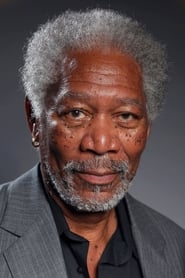 GodMorgan Freeman
Appears as a calm, humorous, patient man who works as a janitor. He lets Bruce make his own mistakes and keeps pointing him back to prayer and humility.
 Grace ConnellyJennifer Aniston
Bruce's devoted girlfriend. She is a kind, prayerful woman who wants a deeper commitment and is hurt by his self-absorption.
 Evan BaxterSteve Carell
Bruce's smooth rival at the station, who wins the anchor job and becomes the target of Bruce's resentment.
How Christians are portrayed
Faith is treated warmly and without mockery. Grace's quiet, persistent prayer is shown as the film's moral centre, and the church as an institution barely appears. The portrayal is sympathetic, though the picture of God is more genial than biblical, and the film never shows a worshipping community.
Community
What other Christians think
What did you notice?
A sex scene, shown or clearly implied?
Is this appropriate for Christians to watch?
Thinking of children? Add the youngest age you'd show it to.
Review
Helpful reviewer
The star beside a name
Given to members whose reviews 25 or more people have marked Helpful.
It rewards reviews that help other families decide, not how many someone writes. It's a sign others have found their reviews thoughtful, not a verdict on anyone's faith.
Found a review useful? Mark it Helpful: it tells the writer, and helps others find the best reviews first.
Details
Film details
- In theatres
- May 23, 2003
- Cast
- Jim Carrey, Morgan Freeman, Jennifer Aniston, Philip Baker Hall
- Director
- Tom Shadyac
- Studios
- Pit Bull Productions, Spyglass Entertainment, Shady Acres Entertainment
- Genre
- Fantasy, Comedy
- Run time
- 1h 41m
- Age rating
- US PG-13 · UK 12
How we analysed this
We counted language, blasphemy and other content in the film's dialogue and read it with the plot and film details, then rated each content area against our rubric and worldview scale, using AI models calibrated on reference titles. Not yet reviewed by our team. Confidence: high.
Score = 100 − 16 × content concern (2.60) + 8 × worldview (+1) = 66
This is a guide to help families choose with wisdom, not a verdict on anyone's conscience ().
Updated 2026-10-14