





Hacksaw Ridge
HeartGuard score
How suitable a title is for Christian viewers, from 0 to 100. It weighs the content meters and the worldview.
- 80–100Recommended
- 60–79Good overallThis film
- 35–59Think it through
- 15–34Strong caution
- 0–14Not recommended
HeartGuard score
How suitable a title is for Christian viewers, from 0 to 100. It weighs the content meters and the worldview.
- 80–100Recommended
- 60–79Good overallThis film
- 35–59Think it through
- 15–34Strong caution
- 0–14Not recommended
Worldview score
What the story celebrates or condemns.
Why +2 for this film
The film honours a man who keeps faith with God's commands under ridicule and fire, showing prayer, Scripture and self-giving courage as the source of his strength. Its Christian convictions are portrayed sincerely and admiringly.
- +2Affirms faithThis filmPresents faith in God positively and as true
- +1Positive valuesHonesty, sacrifice and family win out
- 0Mixed or neutralNo clear stance
- −1AmbivalentShows sin without judging it either way
- −2Glamorises sinMakes sin look attractive and rewarding
Age guide
How suitable this film is for each age group.
Why 16+ for this film
Prolonged, extremely graphic battlefield gore, domestic violence, suicide imagery and strong language make it hard going for anyone under 16.
- Under 8No
- Ages 8–12No
- Ages 13–15Wait
- Ages 16–17Check first
- AdultsCheck first





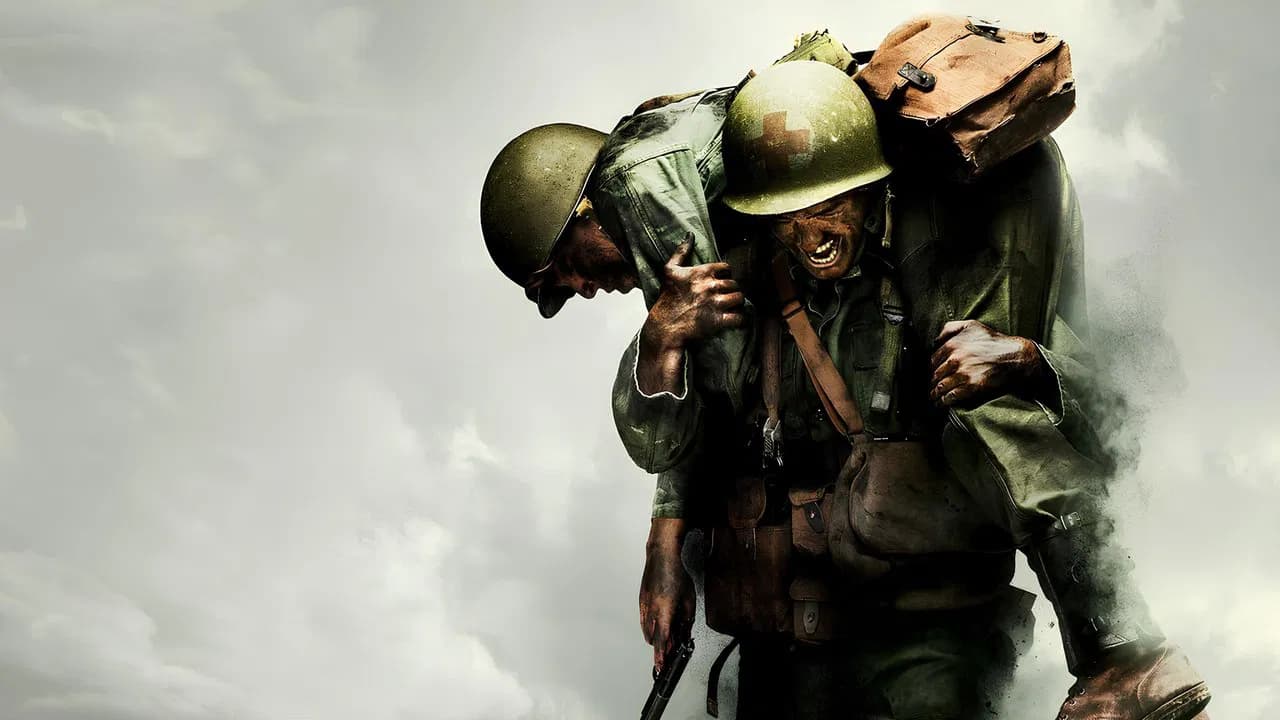
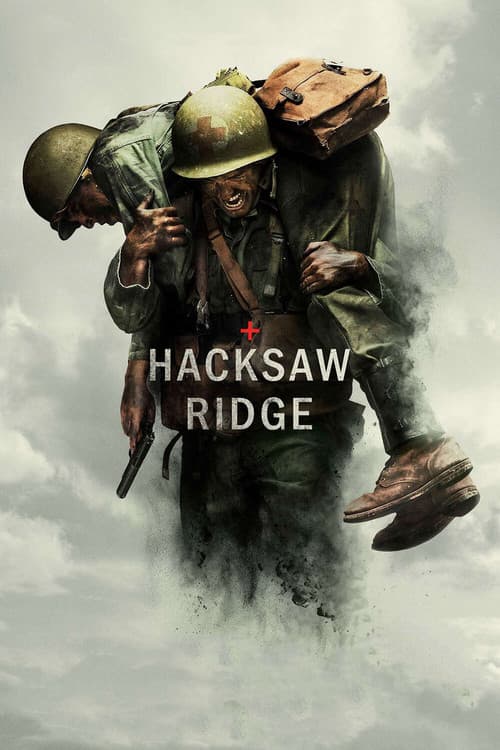
A true story of a Christian medic who refuses to carry a gun yet saves many lives, told with deep respect for his faith. Its battle scenes are among the most graphic in war cinema.
Watch guide
What's in it?
LanguageStrong boot-camp language
Boot camp and combat scenes include repeated crude and strong language, plus wartime slurs for the Japanese and dated terms for women.
BlasphemySome exclamations
God's name is misused as an exclamation at times, mostly by soldiers, set against frequent sincere prayer.
Sex and nudityKissing, pin-up
Desmond and Dorothy kiss during their courtship, and a soldier looks at a pin-up magazine with nothing explicit shown.
RelationshipsChaste courtship
Desmond's romance with Dorothy is gentle and leads to marriage. His parents' marriage is scarred by his father's drunken threats.
ViolenceGraphic battle gore
Battle scenes show soldiers shot, stabbed, burned by flamethrowers and torn apart, with severed limbs, spilled organs and rat-eaten corpses. There are also domestic violence, a brutal childhood fight and a beating in barracks.
Frightening scenesSustained carnage
Long, chaotic battle sequences with screaming wounded men and rotting bodies are deeply distressing.
Drugs and alcoholFather's alcoholism
Desmond's father drinks heavily and becomes violent, shown as destructive. Soldiers smoke and drink socially.
AttitudesBullying, slurs
Fellow soldiers and officers mock and bully Desmond for his convictions, and wartime slurs are used. The film challenges this as his courage wins their respect.
OccultNone
No occult content.
- To knowContent to know about
- Skip for kidsSkip for younger viewers
- DiscussWorth discussing
- Early
Violence
As a boy, Desmond hits his brother in the face with a brick during a fight and nearly kills him.
- Early
Domestic violence and alcohol
Desmond's drunken father threatens his wife with a gun. Desmond takes the gun from him, and the father pleads to be shot.
- Mid
Bullying
In boot camp, soldiers curse and mock Desmond, then beat him in the night as he lies in bed. He refuses to name them.
- Mid
Language and attitudes
Soldiers smoke and drink, one looks at a pin-up magazine, and the dialogue includes crude talk about women and slurs for the Japanese.
- Mid
Conscience and faith
Desmond is arrested for refusing a weapon and court-martialled, while his faith and conscience are tested under pressure.
- Mid
Graphic war violenceSkip if under 16
The battle of Okinawa opens with extremely graphic carnage: bodies torn apart, limbs and organs blown off, men burned by flamethrowers, and rats feeding on corpses.
- Late
SuicideSkip if under 16
Japanese soldiers are shown in ritual suicide, one stabbing himself and being beheaded, and a hanged body is seen.
- Late
Heavy ending
The film closes with real footage and an interview with the man the story is based on, set against the heavy aftermath of the battle.





How to play
- 1. Draw a cardOne person reads the question out loud.
- 2. Everyone answersThere are no wrong answers. Listen before you reply.
- 3. Pass it onThe next person draws, until the deck is done.



Faith & story
What does it say?
What's it about?The plot, without the ending

Desmond Doss grows up in Virginia in a devout Seventh-day Adventist home, shaped by a violent childhood episode and a father scarred by the First World War. When America enters the Second World War, he volunteers as a combat medic but refuses to carry a weapon or work on the Sabbath. His fellow soldiers and officers see him as a coward and try to push him out, while he holds to his conscience and to the woman he loves. Eventually his unit is sent to the Pacific to face one of the war's bloodiest battles.
Through a faith lensHow it connects to the Bible

Desmond Doss holds to the commandment against killing and still runs towards the wounded, so the film asks what it costs to obey God when everyone around you thinks you are wrong. His stand echoes Daniel, who would not compromise his convictions before a powerful court. It also echoes the apostles, who said they must obey God rather than men. His courage is service rather than force: he lays down his own safety for friends, which Jesus called the greatest love. The wounded he carries recall the Good Samaritan, who stopped for a stranger when others passed by. His repeated prayer for one more shows dependence on God rather than on his own strength. The film also shows the harm done when a father's drink and rage poison a home, and how that wound shapes his son's conscience. Mockery and a beating are met without revenge, and his refusal to name the men who attacked him wins their respect. Because the battle scenes are so brutal, families may want to talk about how Desmond's mercy stands out against them.
Fruit of the SpiritWhich fruit does it show?

8 out of 9 fruits ripe in this film
Ripe grapes are shown in the film, buds are missing
Love is the heart of the film: Desmond risks his life through a night of battle to carry wounded men to safety. Faithfulness shows in his refusal to abandon his convictions, even in a court-martial. Kindness and goodness appear in his care for the injured, friend and enemy alike. Gentleness and patience mark how he answers bullying, and peace in how he keeps his faith steady under pressure. Self-control is clear when he will not name the men who beat him. The works of the flesh are shown too: hatred in the wartime slurs and the carnage, fits of anger and drunkenness in his father's rages, and divisions as his unit turns on him before coming to respect him. Joy is rare in a film this grim.
The charactersExamples to follow or avoid







 Desmond T. DossAndrew Garfield
A devout medic who will not kill or carry a weapon. He is gentle and stubborn, and rooted in prayer and Scripture.
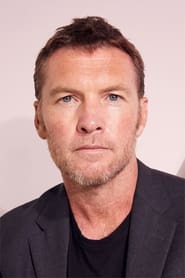 Captain GloverSam Worthington
Desmond's company commander. He first tries to remove him from the army, and his view of him changes over time.
 Sgt HowellVince Vaughn
The hard-driving drill sergeant who pushes Desmond hard in training, and whose attitude toward him is tested.
 Dorothy SchuttleTeresa Palmer
A nurse who falls in love with Desmond. She supports his convictions and gives him a Bible.
 Tom DossHugo Weaving
Desmond's father, a damaged First World War veteran who drinks and rages at home yet cares for his sons.
 Smitty RykerLuke Bracey
A fellow soldier who is openly hostile to Desmond's stance and later comes to reconsider it.
How Christians are portrayed
Desmond's Seventh-day Adventist faith is shown sincerely and with respect, through Bible reading, prayer and keeping the Sabbath. Others at first mock him or doubt him, but the story sides with him and shows his convictions standing the test. The faith is not shown as flawless: his father's drinking and bitterness are shown honestly, and the wounds they leave are part of the story.
Community
What other Christians think
What did you notice?
Strong language (the f-word or similar)?
Is this appropriate for Christians to watch?
Thinking of children? Add the youngest age you'd show it to.
Review
Helpful reviewer
The star beside a name
Given to members whose reviews 25 or more people have marked Helpful.
It rewards reviews that help other families decide, not how many someone writes. It's a sign others have found their reviews thoughtful, not a verdict on anyone's faith.
Found a review useful? Mark it Helpful: it tells the writer, and helps others find the best reviews first.
Details
Film details
- In theatres
- Nov 4, 2016
- On streaming
- May 22, 2017
- Cast
- Andrew Garfield, Sam Worthington, Vince Vaughn, Teresa Palmer
- Director
- Mel Gibson
- Studios
- Summit Entertainment, Pandemonium, Cross Creek Pictures
- Genre
- Drama, History, War
- Run time
- 2h 19m
- Age rating
- US R · UK 15
How we analysed this
We gathered the plot and reception, and facts that independent sources agree on, then rated each content area against our rubric and worldview scale, using AI models calibrated on reference titles. Not yet reviewed by our team. Confidence: medium.
Score = 100 − 16 × content concern (3.47) + 8 × worldview (+2) = 60
Updated 2026-10-14