






I Can Only Imagine
HeartGuard score
How suitable a title is for Christian viewers, from 0 to 100. It weighs the content meters and the worldview.
- 80–100RecommendedThis film
- 60–79Watch with care
- 35–59Think it through
- 15–34Strong caution
- 0–14Not recommended
HeartGuard score
How suitable a title is for Christian viewers, from 0 to 100. It weighs the content meters and the worldview.
- 80–100RecommendedThis film
- 60–79Watch with care
- 35–59Think it through
- 15–34Strong caution
- 0–14Not recommended
Worldview score
What the story celebrates or condemns.
Why +2 for this film
The film openly celebrates God's power to transform an abusive man and to enable his wounded son to forgive. Faith, repentance and redemption are presented as real and life-changing.
- +2Affirms faithThis filmPresents faith in God positively and as true
- +1Positive valuesHonesty, sacrifice and family win out
- 0Mixed or neutralNo clear stance
- −1AmbivalentShows sin without judging it either way
- −2Glamorises sinMakes sin look attractive and rewarding
Age guide
How suitable this film is for each age group.
Why 10+ for this film
Scenes of a father beating his young and teenage son, a small boy crying as his mother leaves, and a cancer death are upsetting for younger children.
- Under 8Wait
- Ages 8–12With a parent
- Ages 13–15Yes
- Ages 16–17Yes
- AdultsYes





A sincere true story of an abused son, a father changed by the gospel and the forgiveness that inspired a famous worship song. Scenes of domestic violence make it one to watch with younger children rather than leave them to.
Watch guide
What's in it?
LanguageVery mild
There is no swearing. Characters say shut up, stupid and ticked off, and the father uses harsh, belittling words towards his son.
BlasphemyOne mild exclamation
One softened exclamation using Jesus' name. Every other use of God's or Jesus' name is prayer, worship or sincere testimony.
Sex and nudityKissing only
Bart and Shannon share teenage affection and a reunion embrace and kiss near the end. There is no sexual content or nudity.
RelationshipsAbusive marriage, broken home
Bart's father is violent in the home and his mother leaves while he is at camp. Later she is in another abusive relationship. The chaste romance between Bart and Shannon is broken off by Bart's cruelty and restored after he apologises.
ViolenceChild abuse shown
Arthur beats young Bart and shouts threats in an early scene. Later he strikes the teenage Bart, who is seen with a bleeding head. Bart also describes a beating so severe he could not lie on his back, and recounts his father throwing a man down a staircase. The violence is presented as wrong and is later repented of.
Frightening scenesUpsetting family scenes
Younger children may find the father's rage, a small boy crying for his mother, and a cancer diagnosis and deathbed scene distressing. There are no horror elements.
Drugs and alcoholLittle or none
Nothing in the dialogue refers to drugs or drinking.
AttitudesCruelty, then repentance
The father demeans and abuses his son, and Bart lies to Shannon, pushes her away and storms out of an industry meeting. The film clearly treats these as wounds and faults. Both men come to repentance, apology and forgiveness.
OccultNone
There is no occult content. The story is about Christian faith, prayer, worship music and forgiveness, with no magic, fortune-telling or other false spirituality.
- To knowContent to know about
- Skip for kidsSkip for younger viewers
- DiscussWorth discussing
- 0:07
Family conflictSkip if under 10
Arthur belittles young Bart's imagination, then erupts at Bart's mother when she defends him; shouting and blows follow while the boy listens.
- 0:15
Family conflict
Bart returns from camp to find his mother has left; he runs after her car in tears, begging to go with her.
- 0:33
ViolenceSkip if under 10
A breakfast argument about Bart's singing turns violent; Arthur strikes his teenage son, who later appears with a bleeding head.
- 0:59
Facing our wounds
Brickell gently asks Bart what he is running from and urges him to stop hiding his pain and write honestly about it.
- 1:06
Child abuse described
Bart confronts his changed father with the memory of a childhood beating and refuses to forgive him.
- 1:12
Forgiveness
Bart remembers a camp talk on forgiving others because God has forgiven us, and turns back towards his father.
- 1:18
Death of a parent
On his deathbed Arthur tells Bart how he came to faith and that he is proud of him; Bart sings a hymn as his father dies.
- 1:29
God changes people
Bart tells Amy Grant how God transformed the father he once hated, and why he wants to sing the song himself.






How to play
- 1. Draw a cardOne person reads the question out loud.
- 2. Everyone answersThere are no wrong answers. Listen before you reply.
- 3. Pass it onThe next person draws, until the deck is done.



Faith & story
What does it say?
What's it about?The plot, without the ending

Growing up in small-town Texas, Bart Millard lives in fear of his harsh, violent father, Arthur. When his mother leaves and a football injury ends the one thing his father valued in him, Bart stumbles into singing and leaves home to chase music with a struggling Christian band. On the road, a blunt manager and a painful rejection force him to face the past he has been running from, and to return home to a father who may not be the man he remembers. Based on the true story behind MercyMe's hit worship song.
Through a faith lensHow it connects to the Bible

At its heart this is a story of new creation: a violent, bitter man becomes gentle and loving, and the film credits that change to God rather than to effort or therapy. Arthur's harshness is a vivid picture of what Scripture warns fathers against, crushing a child's spirit instead of raising him with patient instruction. Bart's early songs speak of a heavenly Father who will never abandon him, echoing the promise that God draws near to the fatherless when earthly parents fail. The hardest turn in the film is Bart's own: he accepts that God can forgive his father yet cannot do so himself, until he remembers that those who have been forgiven are called and enabled to forgive. Arthur's clumsy attempts to make amends and Bart's eventual return home carry the shape of the prodigal story, though here it is the father who comes home to grace. The title song looks ahead with longing to seeing Christ face to face, a hope that gives grief its proper horizon.
Fruit of the SpiritWhich fruit does it show?

7 out of 9 fruits ripe in this film
Ripe grapes are shown in the film, buds are missing
The fruit grows slowly in this story. Shannon shows faithful love and keeps praying for Bart long after he pushes her away. Mrs. Fincher's kindness and Brickell's patient honesty help Bart discover his gift. The most striking change is in Arthur, whose rage gives way to gentleness, humility and a costly goodness towards his son. Self-control is sorely missing in Arthur's early outbursts and in Bart's own temper, which makes their later peace and joy feel hard-won.
The charactersExamples to follow or avoid






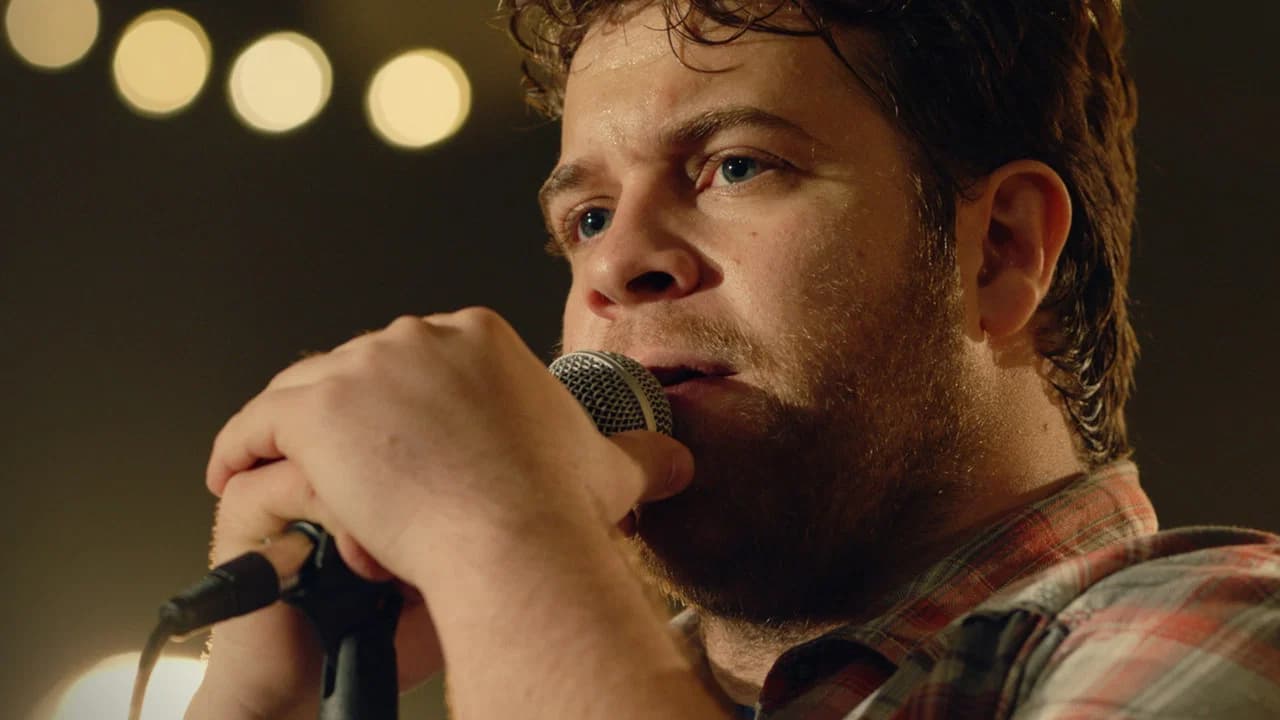
 Bart MillardJ. Michael Finley
A wounded son who hides his pain behind jokes and ambition. He must learn to face his past and forgive before he can write honestly.
 ArthurDennis Quaid
Bart's father, a bitter former football player who is abusive for most of Bart's childhood. After a cancer diagnosis he comes to faith and seeks to make amends.
 ShannonMadeline Carroll
Bart's childhood sweetheart, steady and prayerful. She is hurt by his lies and coldness but never stops caring about him.
 BrickellTrace Adkins
A gruff, straight-talking music manager who sees Bart's potential and pushes him to stop running from the truth about his life.
 Mrs. FincherPriscilla C. Shirer
The high-school teacher who hears Bart's voice and firmly insists he use his gift.
How Christians are portrayed
Christians and the church are portrayed warmly and sincerely: a church camp, a youth pastor and a congregation are places of welcome and teaching, and Christian musicians appear as encouraging figures. Believers are shown as ordinary and imperfect rather than idealised, with industry figures driven more by sales than ministry. Faith is never mocked; the film is made from within the Christian community and openly celebrates it.
Community
What other Christians think
What did you notice?
A sex scene, shown or clearly implied?
Is this appropriate for Christians to watch?
Thinking of children? Add the youngest age you'd show it to.
Review
Helpful reviewer
The star beside a name
Given to members whose reviews 25 or more people have marked Helpful.
It rewards reviews that help other families decide, not how many someone writes. It's a sign others have found their reviews thoughtful, not a verdict on anyone's faith.
Found a review useful? Mark it Helpful: it tells the writer, and helps others find the best reviews first.
Details
Film details
- In theatres
- Mar 16, 2018
- On streaming
- Jun 5, 2018
- Cast
- J. Michael Finley, Madeline Carroll, Dennis Quaid, Trace Adkins
- Directors
- Andrew Erwin, Jon Erwin
- Studios
- Kevin Downes Productions, Mission Pictures International, City on a Hill Productions
- Genre
- Music, Drama
- Run time
- 1h 50m
- Age rating
- US PG · UK PG
How we analysed this
We counted language, blasphemy and other content in the film's dialogue and read it with the plot and film details, then rated each content area against our rubric and worldview scale, using AI models calibrated on reference titles. Not yet reviewed by our team. Confidence: high.
Score = 100 − 16 × content concern (2.25) + 8 × worldview (+2) = 80
This is a guide to help families choose with wisdom, not a verdict on anyone's conscience ().
Updated 2026-10-14