






The 12th Man
HeartGuard score
How suitable a title is for Christian viewers, from 0 to 100. It weighs the content meters and the worldview.
- 80–100Recommended
- 60–79Watch with careThis film
- 35–59Think it through
- 15–34Strong caution
- 0–14Not recommended
HeartGuard score
How suitable a title is for Christian viewers, from 0 to 100. It weighs the content meters and the worldview.
- 80–100Recommended
- 60–79Watch with careThis film
- 35–59Think it through
- 15–34Strong caution
- 0–14Not recommended
Worldview score
What the story celebrates or condemns.
Why +1 for this film
The story celebrates courage, perseverance and ordinary people risking their lives to shelter a stranger, while clearly condemning Nazi cruelty. It hints at providence without developing a faith theme.
- +2Affirms faithPresents faith in God positively and as true
- +1Positive valuesThis filmHonesty, sacrifice and family win out
- 0Mixed or neutralNo clear stance
- −1AmbivalentShows sin without judging it either way
- −2Glamorises sinMakes sin look attractive and rewarding
Age guide
How suitable this film is for each age group.
Why 15+ for this film
Realistic wartime violence, including torture, executions by firing squad and a gruesome self-amputation, along with prolonged freezing, starvation and despair, is intense for younger teens.
- Under 8No
- Ages 8–12Wait
- Ages 13–15With a parent
- Ages 16–17Yes
- AdultsYes





A gripping true survival story of a Norwegian commando and the villagers who risked everything to save him. It is honourable in its values but contains torture, executions and a gruesome self-amputation.
Watch guide
What's in it?
LanguageOccasional mild swearing
A handful of mild-to-moderate words: one 's-word', a few uses of 'damn' and one 'hell'.
BlasphemyOne exclamation
God's name is used once as a cry of shock. Other mentions come in a sung patriotic hymn and a sincere blessing.
Sex and nudityMinimal
There is no sexual content. A woman mentions she bathed and changed the injured hero while he was unconscious, and there is a light joke about Swedish nurses.
RelationshipsChaste affection
A young farm woman grows fond of the fugitive she nurses. Her brother worries about her feelings, but nothing romantic happens beyond tender care.
ViolenceTorture, executions, self-surgery
Soldiers are shot, and captured men are interrogated under torture, one dying from it, before the rest are executed by firing squad. The hero cuts off his own gangrenous toes with a knife, and a severed toe is used to threaten a civilian. The violence is realistic and sometimes hard to watch, but it is never glamorised.
Frightening scenesSustained peril and gore
There are long stretches of freezing, starvation, snow-blindness, an avalanche and close calls with search parties. Gangrene and frostbite are shown, along with the hero's despair while buried alone in the snow. This is intense for younger viewers.
Drugs and alcoholLight drinking, smoking
There is a brief drink order in a remembered London scene and a joke about missing aquavit at a celebration.
AttitudesEvil clearly condemned
A Gestapo officer is cruel, ambitious and contemptuous of Norwegians and the Sami. The film plainly condemns him, while the villagers' courage and honesty under danger are honoured.
OccultNone
There is no witchcraft, magic, fortune-telling or other occult content. The story is a realistic wartime survival drama, and talk of purpose or needing a miracle is not occult.
- To knowContent to know about
- Skip for kidsSkip for younger viewers
- DiscussWorth discussing
- 0:04:11
Combat violence
German forces attack the commandos' fishing boat; men are shot and the survivors are forced to their knees.
- 0:20:47
TortureSkip if under 15
Gestapo officers interrogate a captured commando and local contacts under torture, and a beaten prisoner is later seen in hospital.
- 0:36:50
ExecutionSkip if under 13
The captured commandos sing Norway's patriotic hymn as they are led out to a firing squad.
- 1:01:07
Costly hospitality
The Grønvoll family argue over whether to risk their lives, and their home, to shelter a dying stranger.
- 1:24:37
Self-amputationSkip if under 15
Alone in a remote hut, the hero has cut away his own gangrenous toes, and the wound is shown to his rescuer.
- 1:40:31
Suicidal despair
A helper takes the hero's pistol because he fears the exhausted, despairing man may turn it on himself.
- 1:46:17
Survivor's guilt
The hero confesses his guilt over the men who died and the danger to everyone who helps him.
- 1:58:30
Intimidation
The Gestapo chief tries to break Marius by confronting him with the hero's severed toe.




How to play
- 1. Draw a cardOne person reads the question out loud.
- 2. Everyone answersThere are no wrong answers. Listen before you reply.
- 3. Pass it onThe next person draws, until the deck is done.



Faith & story
What does it say?
What's it about?The plot, without the ending

In 1943 twelve Norwegian commandos, trained in Britain, sail into the Arctic north to sabotage German installations, but their mission is betrayed. Jan Baalsrud is the only one to escape. Wounded, he dives into freezing water and then faces weeks of snow, hunger and injury as he tries to reach neutral Sweden. Gestapo chief Kurt Stage refuses to believe the fugitive is dead and hunts him relentlessly. Along the way a chain of ordinary Norwegians, including a midwife, farmers and a brother and sister named Marius and Gudrun, risk their lives to hide and carry him.
Through a faith lensHow it connects to the Bible

Again and again, strangers feed, clothe and nurse a wounded man they have never met, which echoes Jesus' words about welcoming the stranger and caring for the sick. The Grønvolls hide a hunted man under threat of death, much as Rahab hid the spies and Obadiah sheltered the prophets in caves. Their willingness to risk everything for someone else reflects the greatest love Jesus described. Jan's collapse into despair, wanting only for it to end, recalls Elijah lying under the broom tree asking to die, and in both stories others bring food and help to keep him going. Gudrun's conviction that he has survived for a reason invites families to think about God's purposes working quietly through ordinary people at a particular moment. Stage, by contrast, is driven by ambition and pride, which Scripture warns go before a fall.
Fruit of the SpiritWhich fruit does it show?

6 out of 9 fruits ripe in this film
Ripe grapes are shown in the film, buds are missing
- Self-control
The film is built on self-giving love, as one household after another feeds, warms and hides a stranger at great personal cost. Gudrun's gentle nursing and Marius's steady faithfulness, returning time and again to a man he could easily abandon, stand out, as does the patience of helpers who wait out blizzards and weeks of danger. Goodness and kindness reach across Norwegian, Sami and fishing communities alike. Peace and joy are mostly missing in a story of fear and suffering, though the small Constitution Day celebration offers a brief moment of shared joy.
The charactersExamples to follow or avoid






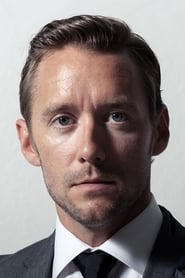 Jan BaalsrudThomas Gullestad
The lone surviving commando, whose stubborn will to live carries him through ice, avalanche and gangrene. He also struggles with despair and guilt over the comrades who died and the people endangered for his sake.
 Kurt StageJonathan Rhys Meyers
The Gestapo chief in the north, proud that no one has ever escaped him. He is cruel and ambitious and treats the hunt as a personal matter of reputation.
 Gudrun GrønvollMarie Blokhus
A young farm woman who nurses Jan back from the brink with tenderness and insists his survival has a purpose. She grows fond of him, and this is handled chastely.
 Marius GrønnvollMads Sjøgård Pettersen
Gudrun's brother, who quietly takes on the biggest risks, hiding Jan, hauling him into the mountains and holding firm under interrogation.
 Walter WendersMartin Kiefer
Stage's colleague, who is convinced the fugitive is dead and becomes a sceptical foil to Stage's obsession.
How Christians are portrayed
No clergy, churches or openly Christian characters appear. Faith shows up mainly through Norway's national hymn asking God's blessing on the land, sung reverently by condemned men and later offered as a Constitution Day blessing, and through talk of purpose and needing a miracle. These moments are treated with quiet respect rather than mocked.
Community
What other Christians think
What did you notice?
A sex scene, shown or clearly implied?
Is this appropriate for Christians to watch?
Thinking of children? Add the youngest age you'd show it to.
Review
Helpful reviewer
The star beside a name
Given to members whose reviews 25 or more people have marked Helpful.
It rewards reviews that help other families decide, not how many someone writes. It's a sign others have found their reviews thoughtful, not a verdict on anyone's faith.
Found a review useful? Mark it Helpful: it tells the writer, and helps others find the best reviews first.
Details
Film details
- In theatres
- May 4, 2018
- On streaming
- Jun 7, 2018
- Cast
- Thomas Gullestad, Jonathan Rhys Meyers, Marie Blokhus, Mads Sjøgård Pettersen
- Director
- Harald Zwart
- Studios
- Zwart Arbeid, Nordisk Film Denmark
- Genre
- War, Drama
- Run time
- 2h 16m
- Age rating
- US NR · UK 15
How we analysed this
We counted language, blasphemy and other content in the film's dialogue and read it with the plot and film details, then rated each content area against our rubric and worldview scale, using AI models calibrated on reference titles. Not yet reviewed by our team. Confidence: medium.
Score = 100 − 16 × content concern (2.64) + 8 × worldview (+1) = 66
This is a guide to help families choose with wisdom, not a verdict on anyone's conscience ().
Updated 2026-10-14