




HeartGuard score
How suitable a title is for Christian viewers, from 0 to 100. It weighs the content meters and the worldview.
- 80–100RecommendedThis episode
- 60–79Watch with care
- 35–59Think it through
- 15–34Strong caution
- 0–14Not recommended
HeartGuard score
How suitable a title is for Christian viewers, from 0 to 100. It weighs the content meters and the worldview.
- 80–100RecommendedThis episode
- 60–79Watch with care
- 35–59Think it through
- 15–34Strong caution
- 0–14Not recommended
Worldview score
What the story celebrates or condemns.
Why +2 for this episode
The episode dramatises Jesus's healing at Bethesda from John 5, showing mercy that breaks through despair, violence and religious legalism.
- +2Affirms faithThis episodePresents faith in God positively and as true
- +1Positive valuesHonesty, sacrifice and family win out
- 0Mixed or neutralNo clear stance
- −1AmbivalentShows sin without judging it either way
- −2Glamorises sinMakes sin look attractive and rewarding
Age guide
How suitable this episode is for each age group.
Why 8+ for this episode
The strongest elements are a Zealot plot to kill a Roman official, including a knife held to a man's throat, and a paralysed man's long suffering, though these stay at the level of mild tension.
- Under 8With a parent
- Ages 8–12Yes
- Ages 13–15Yes
- Ages 16–17Yes
- AdultsYes





A moving, family-friendly episode built around the healing at the Pool of Bethesda, with a tense political subplot. Nothing here goes beyond mild peril.
Watch guide
What's in it?
LanguageNo swearing
The dialogue contains no profanity.
BlasphemyNone
God is spoken of in prayer, scripture and worship during the feast, never as an exclamation.
Sex and nudityNone
There is no sexual content or nudity in this episode.
RelationshipsNone
No romance features; the emotional focus is two estranged brothers.
ViolenceAssassination plot
Zealots prepare to assassinate a Roman magistrate, including rehearsing with a knife at a man's throat. The threat builds tension but little violence is shown.
Frightening scenesSome tension
The assassination plot and a watchful Roman officer create suspense, and the paralysed man's long suffering may sadden younger viewers.
Drugs and alcoholFeast setting
Wine may appear as part of the Feast of Tabernacles celebrations, shown as ordinary social custom.
AttitudesPlotting, legalism
Zealots plan a killing for political ends, and Pharisees rebuke a healed man for carrying his mat on the Sabbath. Both are shown as misguided.
OccultNone
There is no witchcraft, magic, fortune-telling or other occult practice. The healing at the Pool of Bethesda is shown as a miracle of God, and the warnings about false prophets concern religious teaching, not the occult.
- To knowContent to know about
- DiscussWorth discussing
- Early
Family conflict
Two brothers part in anger in a flashback; one is left paralysed and the other joins the Zealots, a story of estrangement that runs through the episode.
- Early
Assassination plot
In Jerusalem, Zealots scheme to kill a Roman magistrate and practise their plot beforehand, pressing a knife against one man's throat. No killing is shown.
- Mid
Alcohol at feast
Jesus and the disciples celebrate the Feast of Tabernacles with scripture, song and shared meals, where wine may be part of the festivities.
- Mid
Religious opposition
Shmuel and a fellow Pharisee warn the crowds against false prophets, setting up opposition to Jesus.
- Late
Healing miracle
At the Pool of Bethesda, Jesus asks a man paralysed for 38 years if he wants to be healed, and heals him.
- Late
Legalism and tension
Pharisees rebuke the healed man for carrying his mat on the Sabbath, while the Zealot plot nears its moment and the brothers meet again.




How to play
- 1. Draw a cardOne person reads the question out loud.
- 2. Everyone answersThere are no wrong answers. Listen before you reply.
- 3. Pass it onThe next person draws, until the deck is done.



Faith & story
What does it say?
What's it about?The plot, without the ending

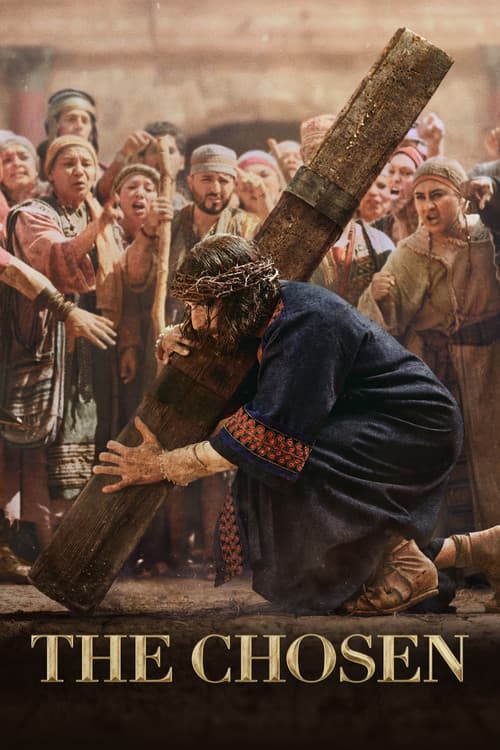
Jesus and his followers travel to Jerusalem for the Feast of Tabernacles, where a new opponent shadows them. Nearby, a man who has waited years at the Pool of Bethesda for healing lives apart from his brother, and a Zealot cell and a watchful Roman officer move towards a dangerous day.
Through a faith lensHow it connects to the Bible

This episode retells the healing at the Pool of Bethesda, where a man who had waited thirty-eight years is asked a simple question: do you want to be well? Jesus acts on the Sabbath, and religious leaders respond to the healed man's mat before they respond to the miracle. Jesus later answered such criticism by saying the Sabbath was made for people, not people for the Sabbath. The Zealots offer a different answer to oppression: violence to force change. Their plot mirrors the hope that the Messiah would be a political deliverer, a hope Jesus kept gently correcting. The brothers' reconciliation recalls the father who ran to meet his returning son, mercy that closes a long distance. Shmuel's warnings about false prophets also invite viewers to ask how true authority is recognised: by its fruit. Mercy and wrongdoing are both shown with consequences, and the episode leaves room for hope without settling every question.
Fruit of the SpiritWhich fruit does it show?

7 out of 9 fruits ripe in this episode
Ripe grapes are shown in the episode, buds are missing
- Self-control
Love and kindness are shown as Jesus seeks out Jesse at Bethesda and heals him, and goodness as he does so despite the Sabbath controversy. Patience is shown in Jesse, who has waited thirty-eight years, and in Jesus, who asks him gently what he wants. Joy follows the healing, and the reunion of the two brothers brings peace between them. Faithfulness appears in the disciples, who follow Jesus and record the miracle, and in Shmuel, who stays true to his calling. Hatred and strife show in the Zealots' plan to kill a Roman magistrate, and divisions in the Pharisees' rebuke of the healed man, who is made to answer for carrying his mat.
The charactersExamples to follow or avoid





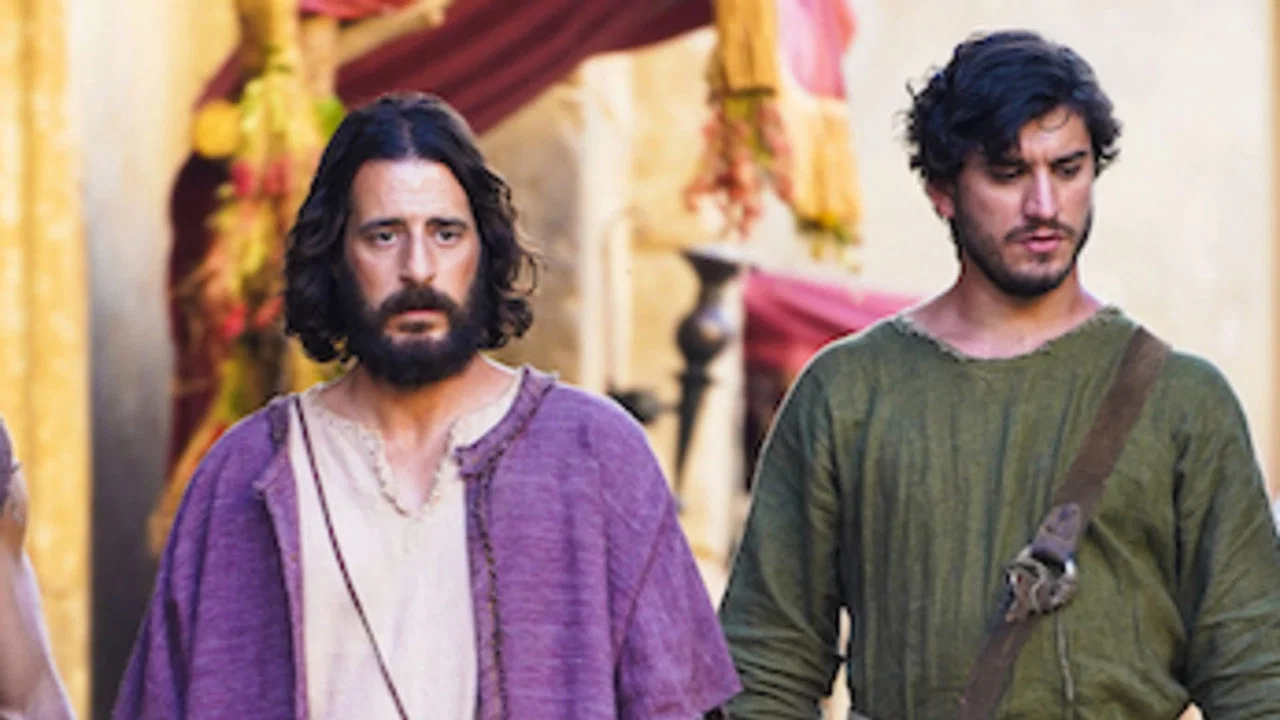
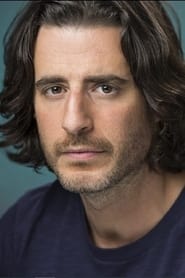 Jonathan Roumie as Jesus of NazarethJonathan Roumie
Seeks out one forgotten man among the crowds at the pool and offers him healing, showing compassion that cuts across religious rules.
 Shaan Sharma as ShmuelShaan Sharma
A Pharisee who preaches in Jerusalem against false prophecy, with the help of a fellow Pharisee, Yanni.
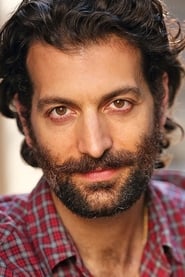 Dennis Apergis as JesseDennis Apergis
A man paralysed for 38 years who has spent his life looking for a cure and is separated from his brother.
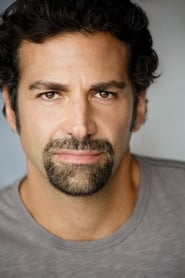 Elijah Alexander as Atticus AemiliusElijah Alexander
A Roman officer who investigates unrest.
How Christians are portrayed
Faith is shown sincerely and warmly through Jesus, the disciples and their celebration of the feast, with scripture discussed as something that matters. Some religious leaders are shown as rigid and more concerned with rules than mercy, though the series also presents Pharisees as people with real convictions rather than simple villains.
Community
What other Christians think
What did you notice?
Strong language (the f-word or similar)?
Is this appropriate for Christians to watch?
Thinking of children? Add the youngest age you'd show it to.
Review
Helpful reviewer
The star beside a name
Given to members whose reviews 25 or more people have marked Helpful.
It rewards reviews that help other families decide, not how many someone writes. It's a sign others have found their reviews thoughtful, not a verdict on anyone's faith.
Found a review useful? Mark it Helpful: it tells the writer, and helps others find the best reviews first.
Details
Episode details
- Cast
- Erick Avari, Jonathan Roumie, Shahar Isaac, Elizabeth Tabish
- First aired
- May 11, 2021
- Created by
- Dallas Jenkins
- Networks
- Prime Video, VidAngel, Angel
- Genre
- Action & Adventure, Family, Drama
- Episode length
- 59m
- Age rating
- US TV-PG · UK 12
How we analysed this
We gathered the episode's summary, its reception and facts about the series that independent sources agree on, then rated each content area against our rubric and worldview scale, using AI models calibrated on reference titles. Not yet reviewed by our team. Confidence: medium.
Score = 100 − 16 × content concern (1.24) + 8 × worldview (+2) = 96
This is a guide to help families choose with wisdom, not a verdict on anyone's conscience ().
Updated 2026-10-14