




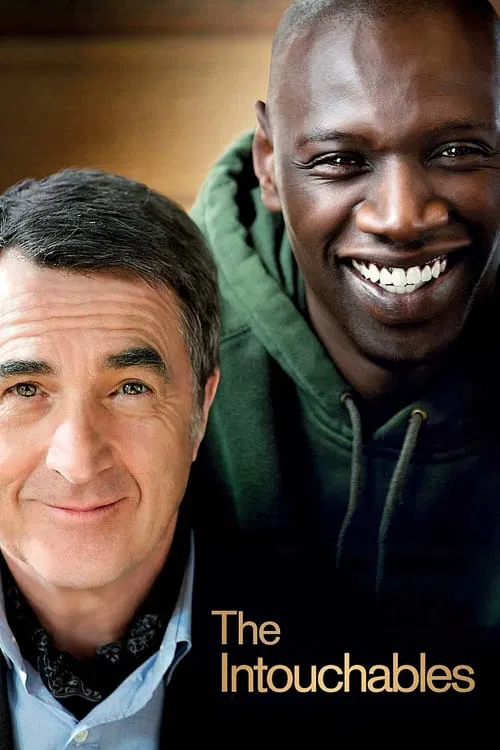
The Intouchables
HeartGuard score
How suitable a title is for Christian viewers, from 0 to 100. It weighs the content meters and the worldview.
- 80–100Recommended
- 60–79Watch with careThis film
- 35–59Think it through
- 15–34Strong caution
- 0–14Not recommended
HeartGuard score
How suitable a title is for Christian viewers, from 0 to 100. It weighs the content meters and the worldview.
- 80–100Recommended
- 60–79Watch with careThis film
- 35–59Think it through
- 15–34Strong caution
- 0–14Not recommended
Worldview score
What the story celebrates or condemns.
Why +1 for this film
The story celebrates a friendship that restores dignity and hope across class and disability, though it treats drug use, lying and crudeness lightly.
- +2Affirms faithPresents faith in God positively and as true
- +1Positive valuesThis filmHonesty, sacrifice and family win out
- 0Mixed or neutralNo clear stance
- −1AmbivalentShows sin without judging it either way
- −2Glamorises sinMakes sin look attractive and rewarding
Age guide
How suitable this film is for each age group.
Why 15+ for this film
Repeated strong language, crude sexual jokes and innuendo, and cannabis use played for comedy set the age, though there is no nudity or sex scene and the violence is brief and mild.
- Under 8No
- Ages 8–12Wait
- Ages 13–15Check first
- Ages 16–17With a parent
- AdultsYes





A warm, very funny true-story friendship between a paralysed aristocrat and his streetwise carer. Expect strong language, crude sexual humour, cannabis use and a daughter's overdose.
Watch guide
What's in it?
LanguageRepeated strong language
Strong language recurs through the film, much of it from Driss, alongside crude sexual references and banter.
BlasphemySome exclamations
Expect a few casual exclamations using God's name in the dialogue.
Sex and nudityInnuendo, no nudity
Frequent sexual jokes and references, including Driss's crude remarks about women and a scene with paid massage implied. There are no sex scenes or nudity.
RelationshipsCrude pursuit, letters
Driss persistently and crudely pursues Philippe's assistant, who turns him down. Philippe, a widower, keeps up a letter friendship with a woman he has never met.
ViolenceMild scuffles
Driss roughly confronts a neighbour and a young man in brief, mild moments; violence is otherwise limited to references to gang trouble.
Frightening scenesCar chase, distress
A fast police chase opens the film, and there are upsetting moments around Philippe's paralysis, his night-time pain attacks and his daughter taking pills.
Drugs and alcoholCannabis smoked
Driss introduces Philippe to cannabis and they smoke joints together several times, played for comedy and as relief from pain. Social drinking and smoking also appear.
AttitudesDeception played light
Driss is a recently released thief who lies to police, and the pair fake a medical emergency to escape a speeding stop; this is played for laughs. He also steals from the household early on, though he grows more responsible.
OccultNone
No occult content.
- To knowContent to know about
- DiscussWorth discussing
- Early
Car chase and deception
A high-speed night drive through Paris with police in pursuit, ending with a fake medical emergency to fool the officers.
- Early
Honesty and second chances
Driss attends a caregiver interview only to collect a signature for his benefits. Others reveal he has served time for robbery.
- Mid
Self-harm
Driss finds Philippe's adopted daughter Elisa after she has taken pills and asks whether she meant to harm herself.
- Mid
Drug use
Driss introduces Philippe to cannabis and they smoke together. It is played for comedy and as relief from pain.
- Mid
Sexual innuendo
Driss makes crude sexual remarks and jokes about women, including persistent attention towards Philippe's assistant, who turns him down. There is a suggestive massage scene. There is no nudity or sex scene.
- Mid
Mild violence
Driss confronts a neighbour and others roughly in short, mild scuffles, and there is gang trouble involving his family.
- Mid
Disability and grief
Philippe speaks of his paragliding accident and his late wife. He is shown in pain at night and fearful of meeting a woman he writes to.






How to play
- 1. Draw a cardOne person reads the question out loud.
- 2. Everyone answersThere are no wrong answers. Listen before you reply.
- 3. Pass it onThe next person draws, until the deck is done.



Faith & story
What does it say?
What's it about?The plot, without the ending

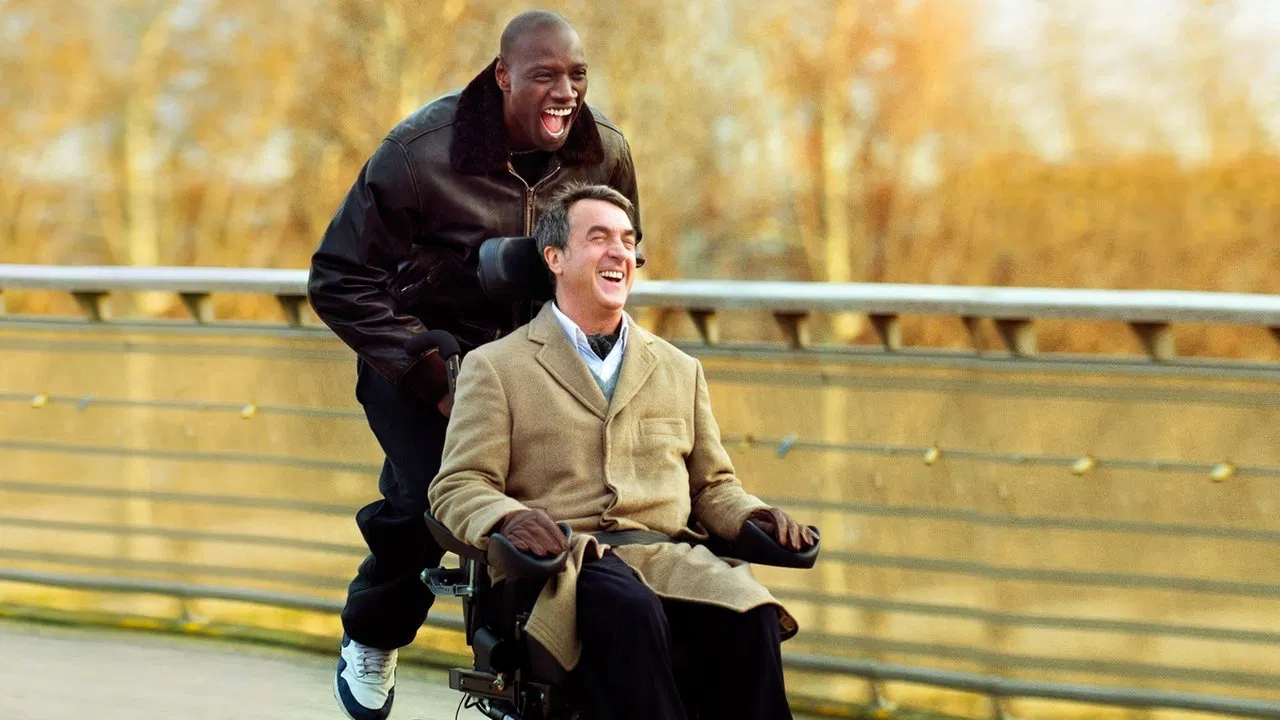
Philippe is a wealthy Parisian left paralysed from the neck down after a paragliding accident. He needs a live-in carer and, to the surprise of his staff, chooses Driss, a young man from the housing estates who has just left prison and only turned up for a signature on his benefits form. Driss has no training and no interest in pity, and the two could hardly be more different. As he learns the daily routines of Philippe's care, they begin to open up each other's worlds, through opera, painting, music and risky fun. Based on a true story.
Through a faith lensHow it connects to the Bible

At its heart this is a story about seeing the person rather than the disability. Driss is the one man who does not pity Philippe, and Philippe in turn looks past Driss's record and gives him a chance. That echoes Jesus eating with tax collectors and sinners, who welcomed those others had written off. Philippe's choice to disregard a friend's warning about Driss's past reflects the way God looks at the heart, not outward appearance. Their friendship also shows the strength of bearing one another's burdens, as Driss carries Philippe physically and Philippe lifts Driss's sense of worth. The film sets this beside lighter treatment of deceit, cannabis and crude talk, which a family may want to weigh against the warmth. Philippe's despair when he is left alone, and the daughter's overdose, show how isolation wounds, and how much need there is for companions who stay close. Nothing here points to God as the source of hope, so the redemption is a human one, and the Bible's picture of a friend who sticks closer than a brother can open a conversation about where deeper hope comes from.
Fruit of the SpiritWhich fruit does it show?

5 out of 9 fruits ripe in this film
Ripe grapes are shown in the film, buds are missing
- Peace
- Goodness
- Gentleness
Love shows in the bond between Philippe and Driss, who treat each other as equals and refuse pity. Kindness appears when Driss treats Philippe as a whole man rather than a patient, and in Philippe's willingness to give a man with a record a chance. Faithfulness shows in Driss's loyalty to his family and in the way Philippe and Driss come back to each other when it counts. Patience is seen in Yvonne and Philippe as they put up with Driss's unconventional ways. Joy runs through the humour, music and dancing they share. Among the works of the flesh, Driss's crude pursuit of women shows sensuality, there is envy-free but real jealousy in the household's tensions, and the pair get drunk and smoke together. Self-control is notably thin in Driss's early behaviour.
The charactersExamples to follow or avoid





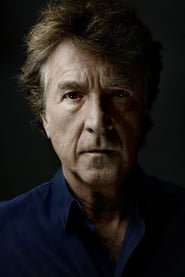 PhilippeFrançois Cluzet
A rich, cultured widower paralysed in an accident. He is sharp and lonely, tired of being treated with pity, and values Driss's frankness.
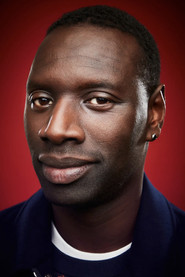 DrissOmar Sy
A cheerful, streetwise young man with a criminal record and a troubled family. He is irreverent and crude, but loyal and surprisingly kind.
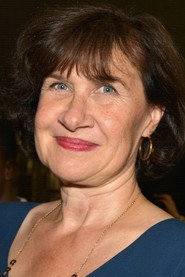 YvonneAnne Le Ny
Philippe's loyal housekeeper, who runs the household and is wary of Driss at first.
 MagalieAudrey Fleurot
Philippe's assistant, professional and composed. She is the object of Driss's unwelcome flirting.
 ElisaAlba Gaïa Bellugi
Philippe's adopted daughter, a spoilt and difficult teenager whose distress surfaces in a worrying moment.
How Christians are portrayed
No Christians or church appear, and faith plays no part in the story. Its moral centre is human compassion rather than any explicit belief.
Community
What other Christians think
What did you notice?
Strong language (the f-word or similar)?
Is this appropriate for Christians to watch?
Thinking of children? Add the youngest age you'd show it to.
Review
Helpful reviewer
The star beside a name
Given to members whose reviews 25 or more people have marked Helpful.
It rewards reviews that help other families decide, not how many someone writes. It's a sign others have found their reviews thoughtful, not a verdict on anyone's faith.
Found a review useful? Mark it Helpful: it tells the writer, and helps others find the best reviews first.
Details
Film details
- In theatres
- Nov 2, 2011
- Cast
- François Cluzet, Omar Sy, Anne Le Ny, Audrey Fleurot
- Directors
- Éric Toledano, Olivier Nakache
- Studios
- Gaumont, Quad Productions, Chaocorp
- Genre
- Drama, Comedy
- Run time
- 1h 53m
- Age rating
- US R · UK 15
How we analysed this
We gathered the plot and reception, and facts that independent sources agree on, then rated each content area against our rubric and worldview scale, using AI models calibrated on reference titles. Not yet reviewed by our team. Confidence: medium.
Score = 100 − 16 × content concern (2.54) + 8 × worldview (+1) = 67
This is a guide to help families choose with wisdom, not a verdict on anyone's conscience ().
Updated 2026-10-14