






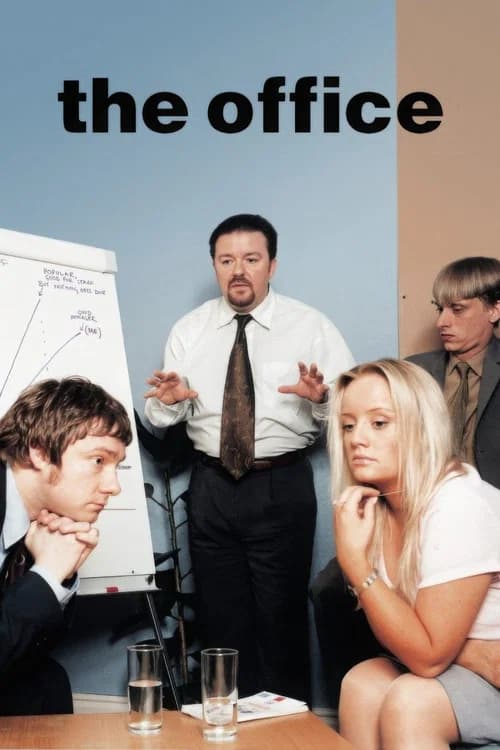
The Office
HeartGuard score
How suitable a title is for Christian viewers, from 0 to 100. It weighs the content meters and the worldview.
- 80–100Recommended
- 60–79Watch with careThis series
- 35–59Think it through
- 15–34Strong caution
- 0–14Not recommended
HeartGuard score
How suitable a title is for Christian viewers, from 0 to 100. It weighs the content meters and the worldview.
- 80–100Recommended
- 60–79Watch with careThis series
- 35–59Think it through
- 15–34Strong caution
- 0–14Not recommended
Worldview score
What the story celebrates or condemns.
Why 0 for this series
The series mocks vanity, cruelty and prejudice by showing their sad results, but offers little positive vision beyond Tim's quiet kindness and the pull towards honesty.
- +2Affirms faithPresents faith in God positively and as true
- +1Positive valuesHonesty, sacrifice and family win out
- 0Mixed or neutralThis seriesNo clear stance
- −1AmbivalentShows sin without judging it either way
- −2Glamorises sinMakes sin look attractive and rewarding
Age guide
How suitable this series is for each age group.
Why 15+ for this series
Crude sexual humour, offensive jokes about race, sex and disability, and repeated strong language, including some f-words, run through the series. There are no sex scenes and little violence.
- Under 8No
- Ages 8–12No
- Ages 13–15Wait
- Ages 16–17Check first
- AdultsYes





A mockumentary about a vain, tactless boss. Expect crude sexual humour, offensive jokes and strong language.
Watch guide
What's in it?
LanguageRepeated strong language
British swearing runs through both seasons, including some f-words, strongest when Chris Finch visits in S1E1, S1E3 and S1E5. Elsewhere it is occasional coarse office talk.
BlasphemyA few exclamations
God's name is used as a casual exclamation now and then, a little more often in S1E1, S1E3, S1E5 and S2E4.
Sex and nudityCrude sexual humour
A doctored pornographic image with David's face circulates in S1E2, and a sex toy is used as an office prank in S2E3. Innuendo and crude talk about women recur, though there are no sex scenes.
RelationshipsEngaged woman's attraction
Tim and Dawn grow close while she is engaged to the dismissive Lee, with a charged moment in S2E5 and Tim's confession in S2E6. In S1E5 a new employee and Ricky spend the night together, which becomes office gossip.
ViolenceMild slapstick
David accidentally headbutts a job applicant in S1E5, and Chris Finch throws Tim's shoe over the building in S1E3. No one is seriously hurt.
Frightening scenesNothing frightening
There is nothing scary; the discomfort is social embarrassment.
Drugs and alcoholSocial drinking
Staff drink at the pub and at parties, most heavily on the nightclub outing in S1E5. In S2E1 David jokes about cannabis and is reprimanded for it.
AttitudesOffensive boss, mocked
David lies, bullies, fakes a sacking that leaves Dawn in tears (S1E2) and makes sexist, racist and homophobic jokes. The show exposes him as pathetic rather than admiring him, but the offensive humour is constant.
OccultNone
There are no occult or spiritual elements.
- To knowContent to know about
- Skip for kidsSkip for younger viewers
- DiscussWorth discussing
- Early
Offensive humour
S1E1: David makes tactless jokes about race, sex and disability to the documentary crew and colleagues, played for cringe. Chris Finch's phone banter turns crude, with innuendo and strong language.
- Early
Sexual humourSkip if under 13
S1E2: A doctored pornographic image with David's face on it is emailed around the office and discussed crudely. Later David pretends to sack Dawn as a prank and she is reduced to tears.
- Early
Bullying and crude talk
S1E3: Chris Finch trades crude sexist and homophobic jokes, bullies Tim on his birthday and throws Tim's shoe over the building. No one is hurt.
- Mid
Alcohol and slapstick
S1E5: David accidentally headbutts a job applicant while showing off his football skills. A staff nightclub outing then brings heavy drinking, crude talk about 'pulling' and strong language.
- Mid
Lying and pride
S1E6: David claims he turned down a promotion to protect the staff, who are surprised. The truth is less flattering. Drinks are had at his leaving party.
- Mid
Drug joke and prejudice
S2E1: David jokes about smoking cannabis to seem cool and is reprimanded. He also retells a crude joke with a racial undertone that offends new colleagues.
- Late
Sexual humourSkip if under 13
S2E3: A birthday gift turns out to be a sex toy, prompting giggling and crude remarks. It is then planted in David's office as a prank.
- Late
Romance and innuendo
S2E5: Dawn runs a 'kisses for charity' stand with flirtatious banter, and Tim and Dawn share a charged moment while she is still engaged to Lee. A guest brings crude humour.





How to play
- 1. Draw a cardOne person reads the question out loud.
- 2. Everyone answersThere are no wrong answers. Listen before you reply.
- 3. Pass it onThe next person draws, until the deck is done.


Episodes
Episode by episode
12 episodes analysed, scoring 60–76. The series score is that of its harder episodes, not the average.
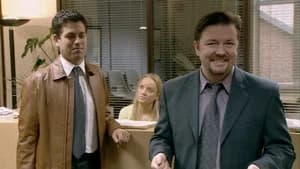
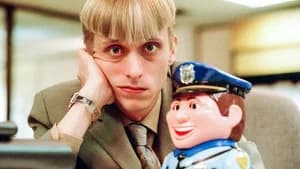
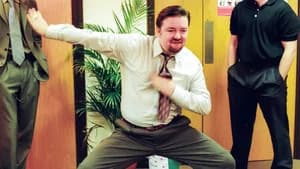
Season 12001 · 6 episodes60–69





Faith & story
What does it say?
What's it about?The plot, without the ending

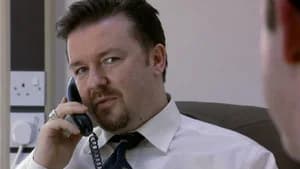
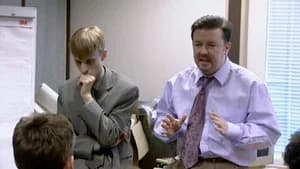
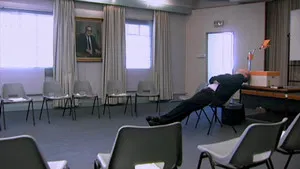
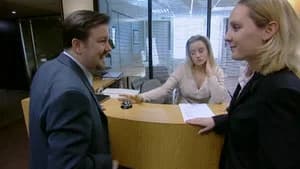
At the Slough branch of the paper company Wernham Hogg, a documentary crew films the everyday life of the office. General manager David Brent sees himself as a funny, wise and well-loved boss, though his colleagues see something quite different. Gareth, his assistant, takes himself very seriously. Tim, a sales rep, copes with the dull routine through dry humour and a quiet attachment to Dawn, the receptionist, who is engaged to a man in the warehouse. As changes loom over the company, David's craving for approval and his terrible judgement keep landing him, and everyone near him, in painfully awkward situations.
Through a faith lensHow it connects to the Bible

David Brent is a man who craves approval and measures himself by how others see him. He lies, bluffs and bullies to protect his image. Scripture warns against this kind of pride. Jesus described people who love to be noticed and praised, and the show's long, awkward exposure of David's need to be liked is a modern picture of that trap. His fake sacking of Dawn and his lies about job cuts and a turned-down promotion show how deceit damages the people nearest to us. His careless jokes about race, sex and disability hurt colleagues, and the series lets viewers see the cost. Tim's quiet decency and his encouragement of Dawn offer a gentler example. The outcome is not triumph for the proud, and the show leaves room for some honesty and a little grace. Families can use it to talk about how we treat people we find irritating, while weighing its crude humour and language carefully.
Fruit of the SpiritWhich fruit does it show?

2 out of 9 fruits ripe in this series
Ripe grapes are shown in the series, buds are missing
- Love
- Joy
- Peace
- Patience
- Goodness
- Gentleness
The office is mostly driven by the works of the flesh. David's vanity sets colleagues against each other and breeds strife and rivalries, and Gareth's resentment of Tim, a bitter envy of his easy popularity, and his scrapping over rank add jealousy and fits of anger. Chris Finch's crude boasting brings impurity and sensuality, and the nightclub outing in S1E5 shows drunkenness. Divisions run between staff and management, especially when the Swindon staff arrive in S2E1. Hatred shows in open dislike of David when he is promoted in S1E6. Against this, Tim shows kindness to Dawn, encouraging her art and standing by her, and she stays faithful to him in friendship. Self-control is the fruit most missing, as David blurts out whatever he thinks will impress.
The charactersExamples to follow or avoid

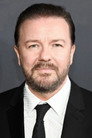



 David BrentRicky Gervais
The general manager. He is vain, needy and tactless, and desperate to be liked. His offensive jokes and lies leave others embarrassed, yet moments of insecurity make him oddly human.
 Tim CanterburyMartin Freeman
A sales rep who is clever, kind and stuck in a job he has outgrown. He deals with it through dry wit and pranks, and cares deeply for Dawn.
 Dawn TinsleyLucy Davis
The receptionist, engaged to Lee but unfulfilled. She has artistic hopes, puts up with David's behaviour, and grows closer to Tim.
 Gareth KeenanMackenzie Crook
David's assistant, an officious and self-important man who loves rules and his own authority. He is often the butt of Tim's pranks.
How Christians are portrayed
Faith, Christians and the church barely appear. The show does not mock or promote religion; it is a secular satire of workplace life, and its offensive jokes are aimed at David's tactlessness rather than at belief.
Community
What other Christians think
What did you notice?
Strong language (the f-word or similar)?
Is this appropriate for Christians to watch?
Thinking of children? Add the youngest age you'd show it to.
Review
Helpful reviewer
The star beside a name
Given to members whose reviews 25 or more people have marked Helpful.
It rewards reviews that help other families decide, not how many someone writes. It's a sign others have found their reviews thoughtful, not a verdict on anyone's faith.
Found a review useful? Mark it Helpful: it tells the writer, and helps others find the best reviews first.
Details
Series details
- Cast
- Ricky Gervais, Martin Freeman, Mackenzie Crook, Lucy Davis
- Created by
- Stephen Merchant, Ricky Gervais
- Network
- BBC Two
- Genre
- Comedy
- Episode length
- 30m
- Age rating
- US TV-MA · UK 15
How we analysed this
We analysed every episode from its summary, its reception and facts that independent sources agree on, and rated each content area against our rubric and worldview scale, using AI models calibrated on reference titles. Each content meter shows the series' typical high point across its episodes, and the score is that of its harder episodes. Not yet reviewed by our team. Confidence: medium.
Series score = the score of its harder episodes, not their average: the hardest tenth of its 12 episodes (S1E3 scores 64). The content meters show the series' high points.
This is a guide to help families choose with wisdom, not a verdict on anyone's conscience ().
Updated 2026-10-14