




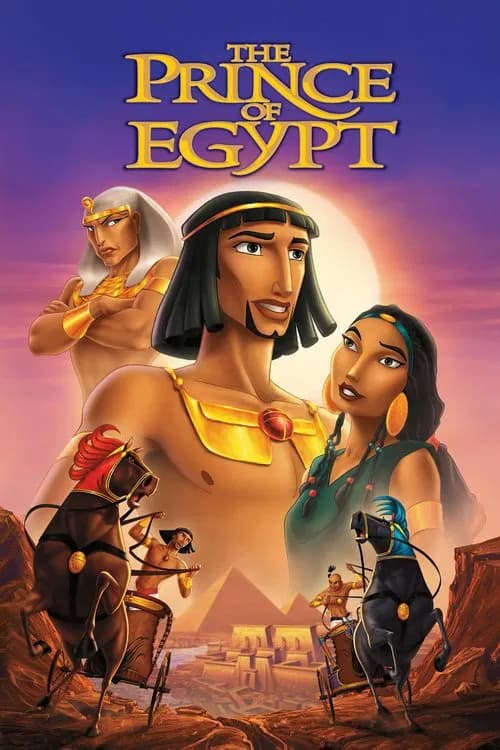
The Prince of Egypt
HeartGuard score
How suitable a title is for Christian viewers, from 0 to 100. It weighs the content meters and the worldview.
- 80–100RecommendedThis film
- 60–79Watch with care
- 35–59Think it through
- 15–34Strong caution
- 0–14Not recommended
HeartGuard score
How suitable a title is for Christian viewers, from 0 to 100. It weighs the content meters and the worldview.
- 80–100RecommendedThis film
- 60–79Watch with care
- 35–59Think it through
- 15–34Strong caution
- 0–14Not recommended
Worldview score
What the story celebrates or condemns.
Why +2 for this film
A largely faithful retelling of Exodus that honours God as deliverer, calls for faith and trust, and condemns oppression and pride.
- +2Affirms faithThis filmPresents faith in God positively and as true
- +1Positive valuesHonesty, sacrifice and family win out
- 0Mixed or neutralNo clear stance
- −1AmbivalentShows sin without judging it either way
- −2Glamorises sinMakes sin look attractive and rewarding
Age guide
How suitable this film is for each age group.
Why 8+ for this film
The plagues, the death of Egypt's firstborn and the drowning of the army are shown eerily and with real grief, though not graphically. A killing and slavery also appear early on.
- Under 8With a parent
- Ages 8–12Yes
- Ages 13–15Yes
- Ages 16–17Yes
- AdultsYes





A majestic animated retelling of Moses and the Exodus that honours God's power and faithfulness. The plagues and the night of the firstborn are intense for the youngest viewers.
Watch guide
What's in it?
LanguageNone
No profanity. There are a few mild insults such as calling someone a brat.
BlasphemyNone
God's name is used only in prayer, worship and sincere speech.
Sex and nudityBrief kiss, mild humour
Moses and Tzipporah share romantic moments. A comic scene has young women washing Moses, played for laughter.
RelationshipsChaste romance
Moses falls in love with Tzipporah and marries her. The relationship is loving and faithful.
ViolenceBiblical violence
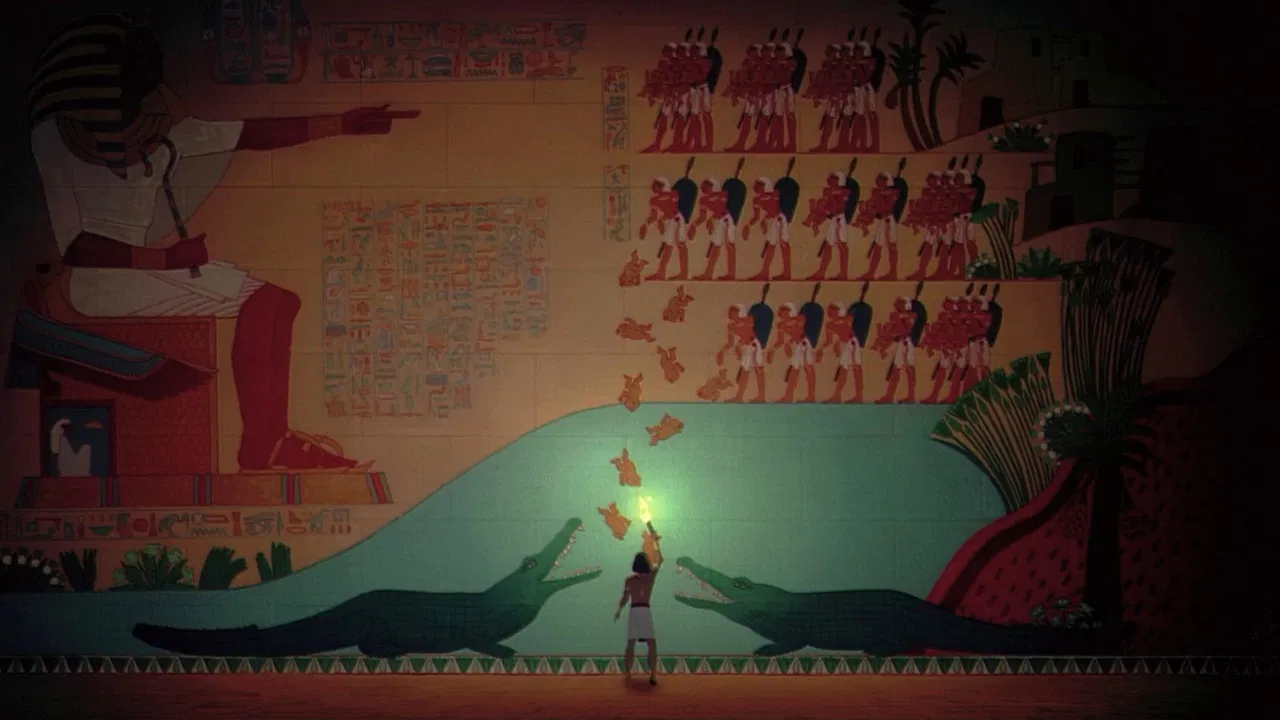
Slaves are whipped and Moses kills an overseer. A hieroglyph sequence shows Hebrew babies being taken to the river. The plagues and the death of the firstborn are shown, and the Egyptian army drowns. None of it is graphic.
Frightening scenesIntense, dark scenes
The plague of the firstborn is depicted eerily, with a mist taking lives and grieving parents, including Rameses' son. The sea-crossing and the chariot chase are tense.
Drugs and alcoholNone
There is no drug use, and drinking is no more than incidental at the banquet.
AttitudesCruelty condemned
Pharaoh's oppression, pride and stubbornness are clearly shown as wrong. Youthful recklessness is rebuked.
OccultEgyptian magic shown powerless
Pharaoh's priests use sorcery and call on Egyptian gods in a showy song, but their magic is shown to be powerless against God. The magic is clearly set within a biblical story where the Lord alone is true.
- To knowContent to know about
- Skip for kidsSkip for younger viewers
- DiscussWorth discussing
- 0:02:00
Slavery and peril to infants
Enslaved Hebrews labour beneath the lash and pray to be set free, while one mother places her infant son in a basket on the river to spare him from Pharaoh's decree.
- 0:27:00
Family secrets and injustice
Moses learns that Pharaoh had Hebrew children killed. He is deeply distressed to find his adoptive family's part in it.
- 0:30:00
Violence
Moses sees an old slave beaten, intervenes, and an overseer is killed in the struggle. Moses is shaken and flees into the desert.
- 0:54:00
Occult
Pharaoh's priests call on many Egyptian gods and use magic against Moses in a showy song. They are later shown to be powerless.
- 1:00:00
Faith and doubt
Miriam and Aaron challenge Moses over doubt, faith and his past, and Miriam urges him not to abandon his people.
- 1:05:00
Frightening scenes
A song accompanies the plagues, including blood, hail, locusts and darkness. Moses grieves as Egypt suffers and Rameses hardens his heart.
- 1:12:00
Death and griefSkip if under 7
The final plague takes the firstborn of Egypt, shown as an eerie mist, and Rameses mourns his own son. Hebrew families shelter behind doors marked with blood.
- 1:26:00
Peril and death
Egyptian chariots chase the Hebrews to the sea. The waters part, then close over the army.




How to play
- 1. Draw a cardOne person reads the question out loud.
- 2. Everyone answersThere are no wrong answers. Listen before you reply.
- 3. Pass it onThe next person draws, until the deck is done.



Faith & story
What does it say?
What's it about?The plot, without the ending

In ancient Egypt the Hebrews are slaves, and a mother sends her baby down the Nile to save his life. He is raised in Pharaoh's palace as Moses, brother to the future king Rameses, and grows up in comfort. When Moses learns the truth about his origins and a terrible act forces him to flee, he builds a new life in the desert. There he is called to return to Egypt and ask Pharaoh to free the Hebrew people. The bond between the two brothers is tested as faith, power and pride collide.
Through a faith lensHow it connects to the Bible

The Prince of Egypt follows Exodus closely and asks what it costs to answer God's call. Moses is reluctant, aware of his own weakness, and God meets him with a promise to be with him. Moses' hesitation to speak is answered by the God who made the mouth. Pharaoh's hardened heart, set on his own power and pride, is a warning that refusing to listen brings ruin on a whole household and nation. The film also honours the Passover, in which the blood on the doorposts marks those who trust God's word. [Exodus 12:7, 12:13] Its sorrow over the Egyptians' suffering is true to Scripture, which never treats judgement lightly. Jethro's song about seeing life through heaven's eyes echoes Jesus' teaching that worth does not lie in what we own. Moses' sense that he is only one man, and God's answer, mirrors how God often works through the weak. The story ends in deliverance and worship, and invites families to see God as one who hears the cries of the oppressed.
Fruit of the SpiritWhich fruit does it show?

9 out of 9 fruits ripe in this film
Ripe grapes are shown in the film, buds are missing
Love shows in Yocheved's sacrifice to save her baby and in Moses' enduring affection for Rameses even as he confronts him. Faithfulness marks Moses, who obeys God despite fear, and Miriam, who holds to her trust in God. Kindness and gentleness appear in Jethro's family welcoming a stranger, and in Moses pleading with Rameses rather than seeking revenge. Peace and joy come through in the worship and the songs of deliverance. Goodness appears when Moses stands up for a beaten slave and chooses to side with the oppressed. Self-control shows when Moses holds back from vengeance against his brother. Patience appears in the Hebrews' long endurance of slavery and in Moses' repeated appeals to Pharaoh. Hatred and strife appear in Pharaoh's cruelty, which grows into a decree that harms children and families. Idolatry and sorcery show in the priests' chants and magic tricks to the Egyptian gods. Envy appears in the rivalry between the brothers, which is mostly playful at the start but sours as Rameses feels his authority threatened.
The charactersExamples to follow or avoid






 MosesVal Kilmer
Raised as an Egyptian prince, he discovers he is Hebrew. He struggles with guilt and doubt before accepting God's call to lead his people.
 RamesesRalph Fiennes
Moses' adoptive brother and heir to the throne. Desperate to live up to his father's expectations, he grows proud and refuses to yield.
 TzipporahMichelle Pfeiffer
A strong-willed Midianite woman who first meets Moses in hostile circumstances. She comes to love him and supports him in his mission.
 MiriamSandra Bullock
Moses' sister, who never lost faith in God's promise. She urges him to trust God and not abandon his people.
 JethroDanny Glover
Priest of Midian, who welcomes Moses and shows him that his worth lies in how heaven sees him.
How Christians are portrayed
The film shows no church or Christians, but it portrays the faith of Israel with respect and reverence. Believers such as Moses, Miriam and Jethro are sincere and humble, and their trust is honoured by the story. Aaron's early doubts and Moses' reluctance are shown honestly, so faith appears as a struggle rather than a slogan.
Community
What other Christians think
What did you notice?
A sex scene, shown or clearly implied?
Is this appropriate for Christians to watch?
Thinking of children? Add the youngest age you'd show it to.
Review
Helpful reviewer
The star beside a name
Given to members whose reviews 25 or more people have marked Helpful.
It rewards reviews that help other families decide, not how many someone writes. It's a sign others have found their reviews thoughtful, not a verdict on anyone's faith.
Found a review useful? Mark it Helpful: it tells the writer, and helps others find the best reviews first.
Details
Film details
- In theatres
- Dec 18, 1998
- On streaming
- Sep 4, 2020
- Cast
- Val Kilmer, Ralph Fiennes, Michelle Pfeiffer, Sandra Bullock
- Directors
- Brenda Chapman, Steve Hickner, Simon Wells
- Studios
- DreamWorks Pictures, DreamWorks Animation
- Genre
- Adventure, Animation, Drama, Family
- Run time
- 1h 39m
- Age rating
- US PG · UK PG
How we analysed this
We counted language, blasphemy and other content in the film's dialogue and read it with the plot and film details, then rated each content area against our rubric and worldview scale, using AI models calibrated on reference titles. Not yet reviewed by our team. Confidence: high.
Score = 100 − 16 × content concern (2.02) + 8 × worldview (+2) = 84
This is a guide to help families choose with wisdom, not a verdict on anyone's conscience ().
Updated 2026-10-14