





HeartGuard score
How suitable a title is for Christian viewers, from 0 to 100. It weighs the content meters and the worldview.
- 80–100RecommendedThis episode
- 60–79Watch with care
- 35–59Think it through
- 15–34Strong caution
- 0–14Not recommended
HeartGuard score
How suitable a title is for Christian viewers, from 0 to 100. It weighs the content meters and the worldview.
- 80–100RecommendedThis episode
- 60–79Watch with care
- 35–59Think it through
- 15–34Strong caution
- 0–14Not recommended
Worldview score
What the story celebrates or condemns.
Why +2 for this episode
The episode dramatises Gospel healings with Jesus's compassion and authority to forgive sins at the centre, and celebrates persistent faith.
- +2Affirms faithThis episodePresents faith in God positively and as true
- +1Positive valuesHonesty, sacrifice and family win out
- 0Mixed or neutralNo clear stance
- −1AmbivalentShows sin without judging it either way
- −2Glamorises sinMakes sin look attractive and rewarding
Age guide
How suitable this episode is for each age group.
Why 6+ for this episode
There is no bad language, sexual content or fighting. The only things to weigh are a man visibly disfigured by leprosy and mild tension when a crowd gathers and Roman soldiers are called.
- Under 8With a parent
- Ages 8–12Yes
- Ages 13–15Yes
- Ages 16–17Yes
- AdultsYes





A gentle, faith-affirming episode built around the Gospel healings of a leper and a paralysed man lowered through a roof. Fine for most families, with only the leper's appearance and some tension likely to need a word for little ones.
Watch guide
What's in it?
LanguageNo bad language
There is no swearing in this episode.
BlasphemyNone
God is spoken of reverently in teaching, prayer and debate among religious leaders.
Sex and nudityNone
There is no sexual content.
RelationshipsNone
Relationships shown are friendships and family hospitality at the house of Zebedee and Mary Salome.
ViolenceMild threat
Roman soldiers are summoned to seize Jesus, bringing tension but no fighting.
Frightening scenesLeprosy, tense crowd
A man disfigured by leprosy approaches Jesus, which may unsettle young children. A crowded house and the arrival of soldiers add tension.
Drugs and alcoholNone
No drinking or drug use is a feature of this episode.
AttitudesReligious hostility
Shmuel is hostile to Jesus and calls on the Romans; this is shown as a wrong response to mercy.
OccultNone
There is no witchcraft, fortune-telling or other occult content. The healings are shown as the work of Jesus, as in the Gospels, and are not occult.
- To knowContent to know about
- DiscussWorth discussing
- Early
Roman authority
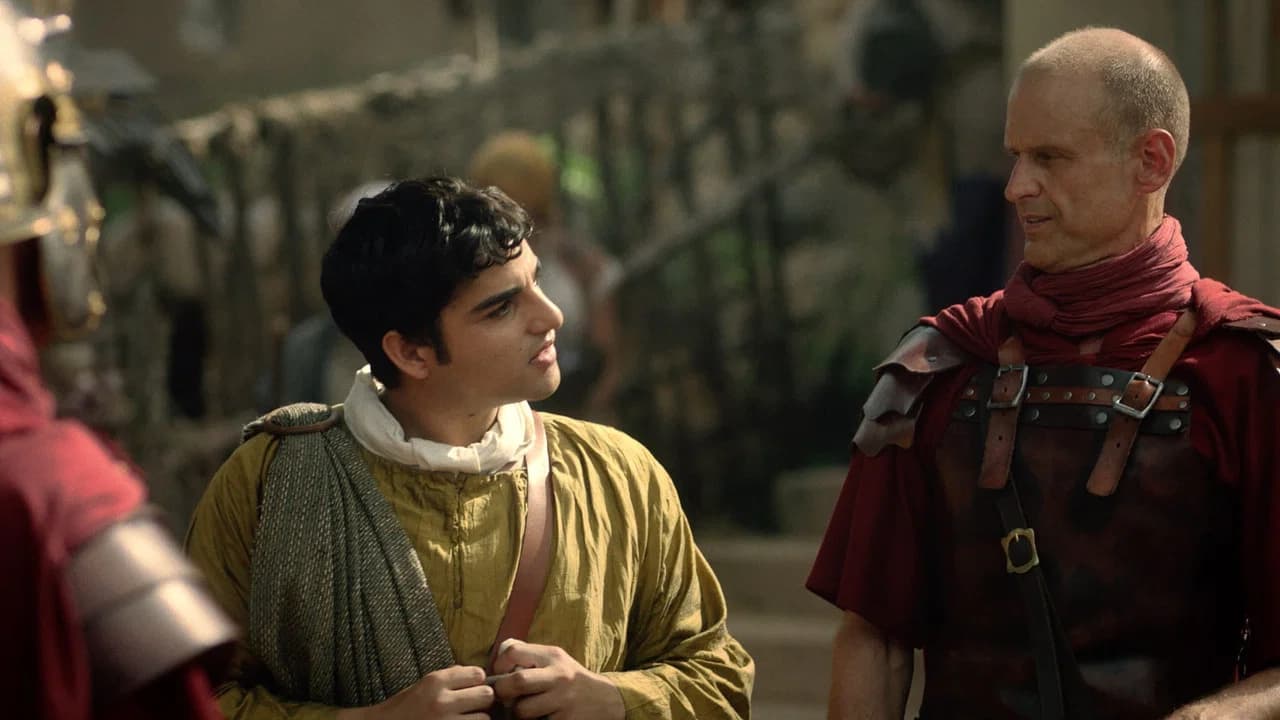
Matthew and the centurion Gaius deliver a tax payment to a Roman official, a tense meeting of tax collection and Roman power.
- Early
Religious conflict
Nicodemus attempts to put Shmuel right about holding John the Baptizer, which reveals a split among the religious leaders.
- Mid
Illness and appearance
A man with leprosy approaches Jesus on the road and asks to be healed. His appearance may unsettle very young children. Jesus cleanses him and asks him to tell no one.
- Mid
Crowds and scrutiny
A crowd gathers at the house of Zebedee as Jesus teaches in parables, drawing the attention of Pharisees and Romans. The crush of people is tense but not violent.
- Late
Faith and forgiveness
Tamar's friends open the roof and lower her paralysed friend to Jesus. Jesus forgives his sins, which troubles the watching Pharisees, and then heals him.
- Late
Threat of arrest
Shmuel appeals to the Romans to arrest Jesus, and the group runs off in a panic. There is tension and threat but no fighting.




How to play
- 1. Draw a cardOne person reads the question out loud.
- 2. Everyone answersThere are no wrong answers. Listen before you reply.
- 3. Pass it onThe next person draws, until the deck is done.



Faith & story
What does it say?
What's it about?The plot, without the ending

In first-century Galilee, Jesus heals a man with leprosy on the road and returns to Capernaum, where crowds gather at a family home to hear him teach. Pharisees and Romans watch closely. A woman determined to reach Jesus for her paralysed friend finds a bold way through the crowd.
Through a faith lensHow it connects to the Bible

This episode dramatises two healings the Gospels record, and both turn on mercy reaching the person nobody else will touch. A leper begs to be made clean, and Jesus touches and cleanses him, as he did the man who knelt before him in Galilee. Then friends who cannot get through the crowd lift their paralysed companion onto a roof and lower him down, and Jesus honours their faith by forgiving the man before he heals him. The Pharisees' unease is the very question Scripture raises: who can forgive sins but God alone? Jesus answers by showing his authority to forgive and to heal. Shmuel's reaction, calling in the Romans rather than rejoicing, shows how hard hearts can look straight at mercy and still resist it. The story invites viewers to think about who they would carry to Jesus, and whether they are more like the friends on the roof or the watchers who stand back with folded arms. Nicodemus, who is troubled but still searching, recalls the man who later came to Jesus by night.
Fruit of the SpiritWhich fruit does it show?

7 out of 9 fruits ripe in this episode
Ripe grapes are shown in the episode, buds are missing
- Peace
- Self-control
Jesus shows kindness and gentleness in touching and cleansing the leper, and love and goodness in forgiving and healing the paralysed man. Tamar and her friends show faithfulness, carrying their friend to Jesus through a crowd and over a roof at real effort to themselves. Jesus shows patience in teaching a pressing crowd, and joy follows the healings as the onlookers marvel. On the other side, Shmuel shows jealousy and something close to hatred, resenting Jesus' growing influence and summoning the Romans against him.
The charactersExamples to follow or avoid





 Jesus of NazarethJonathan Roumie
Teaches and heals with compassion. He cleanses the leper and speaks forgiveness to the paralysed man, which draws both wonder and offence.
 MatthewParas Patel
The former tax collector, still dealing with Roman officials. He follows Jesus and records what he witnesses.
 NicodemusErick Avari
A Pharisee who tries to rein in his colleague's harshness and is drawn to find out more about Jesus.
 Simon PeterShahar Isaac
One of Jesus' followers, travelling with the group and caught up in the crowds around the teaching.
How Christians are portrayed
Faith is shown sincerely and warmly. Jesus' followers and those who seek him are portrayed as ordinary, hopeful people, and persistent trust is honoured. The religious authorities are shown with some nuance: Nicodemus questions honestly, while Shmuel's hostility serves as a foil to the faith of the friends.
Community
What other Christians think
What did you notice?
Strong language (the f-word or similar)?
Is this appropriate for Christians to watch?
Thinking of children? Add the youngest age you'd show it to.
Review
Helpful reviewer
The star beside a name
Given to members whose reviews 25 or more people have marked Helpful.
It rewards reviews that help other families decide, not how many someone writes. It's a sign others have found their reviews thoughtful, not a verdict on anyone's faith.
Found a review useful? Mark it Helpful: it tells the writer, and helps others find the best reviews first.
Details
Episode details
- Cast
- Erick Avari, Jonathan Roumie, Shahar Isaac, Elizabeth Tabish
- First aired
- Nov 26, 2019
- Created by
- Dallas Jenkins
- Networks
- Prime Video, VidAngel, Angel
- Genre
- Action & Adventure, Family, Drama
- Episode length
- 50m
- Age rating
- US TV-PG · UK 12
How we analysed this
We gathered the episode's summary, its reception and facts about the series that independent sources agree on, then rated each content area against our rubric and worldview scale, using AI models calibrated on reference titles. Not yet reviewed by our team. Confidence: medium.
Score = 100 − 16 × content concern (1.05) + 8 × worldview (+2) = 99
This is a guide to help families choose with wisdom, not a verdict on anyone's conscience ().
Updated 2026-10-14